By Mike Macari
February 10, 2026
Insulation plays a quiet but critical role in keeping a home comfortable, efficient, and protected throughout the year. When it’s working properly, it helps regulate indoor temperatures, reduces strain on heating and cooling systems, and supports healthier indoor air quality. Because it’s mostly hidden behind walls and above ceilings, many homeowners don’t think about it until problems become noticeable, which is why periodic inspections are so important for catching issues early.
Knowing when it’s time to upgrade insulation can prevent higher energy bills, uneven room temperatures, and long-term structural concerns. By consulting a residential insulation contractor, homeowners can better understand what’s happening behind the scenes and whether existing materials are still performing as intended. Recognizing these warning signs early makes it easier to plan upgrades before minor inefficiencies escalate into costly repairs, helping protect both comfort and efficiency over time.
Look for Unexplained Increases in Energy Bills
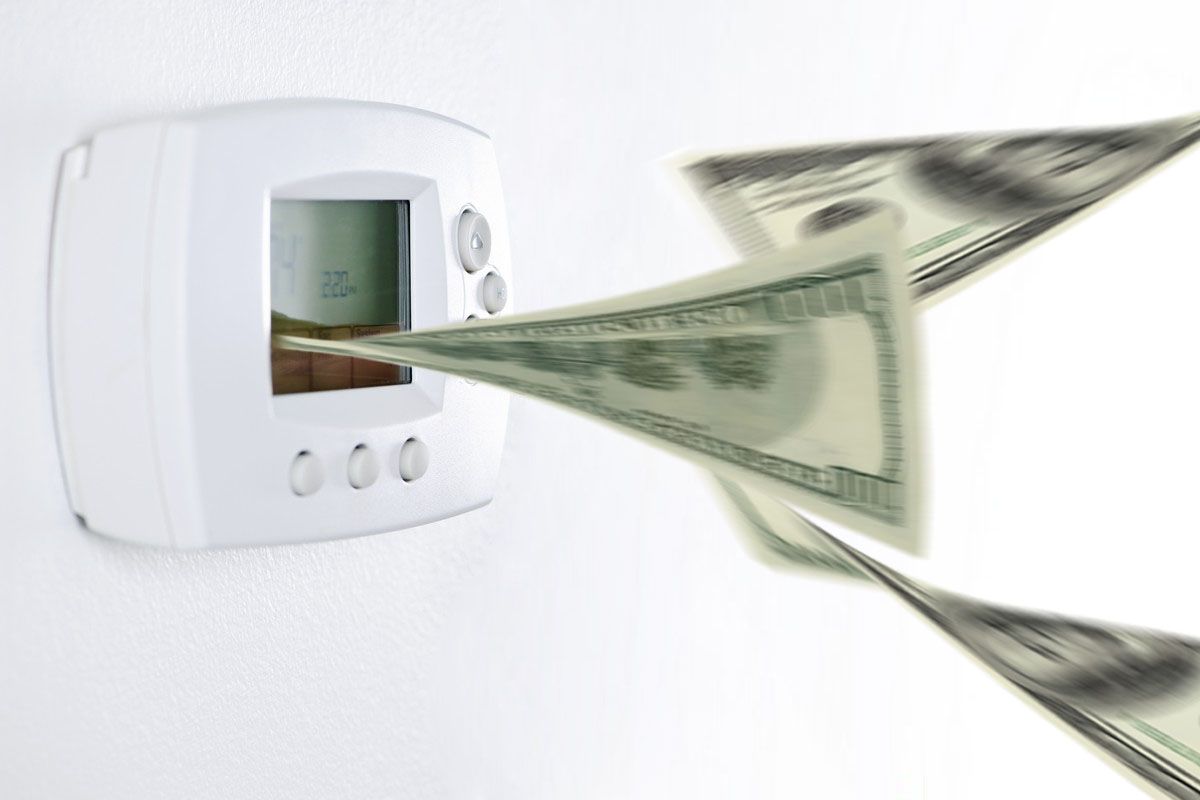
One of the earliest signs that insulation may need attention is a steady increase in energy bills. When insulation breaks down or becomes less effective, heating and cooling systems have to work harder to maintain a comfortable temperature. This additional workload often shows up as higher monthly utility costs, even when energy usage habits have not changed.
Older insulation materials can compress, shift, or deteriorate over time, leaving gaps that allow heat to escape in winter and enter in summer. These inefficiencies force HVAC systems to cycle more frequently, increasing energy consumption. Homeowners may also notice that their system requires more time to reach the same temperature.
Seasonal spikes in energy bills can also point to insulation issues. If heating costs climb sharply during winter or cooling costs surge in summer, insulation may no longer be providing adequate thermal resistance. This is especially common in attics and crawl spaces where insulation is exposed to temperature extremes.
A professional assessment from a residential insulation contractor can reveal whether rising costs stem from insulation problems or other household inefficiencies. Through testing and inspection, they can pinpoint where energy is being lost and recommend upgrades that quickly pay for themselves in reduced bills.
Notice Uneven Temperatures or Drafts Around the Home
Uneven temperatures throughout a home often indicate insulation problems. Rooms that feel noticeably colder in winter or warmer in summer may not be receiving adequate protection from outside conditions. These comfort issues can make certain areas of the house less usable and frustrating to occupy.
Drafts are another giveaway that insulation is failing. Small air leaks around walls, floors, and ceilings allow outdoor air to infiltrate the home, undermining both comfort and efficiency. Sealing these leaks before or during an insulation upgrade helps stabilize indoor conditions and reduces energy waste.
As insulation settles or shifts over time, it can create pockets that redistribute heat unevenly through the home. These fluctuations often force homeowners to adjust thermostats constantly in search of a comfortable middle ground, which drives up energy consumption. Correcting uneven coverage ensures every part of the home retains warmth and reduces unnecessary HVAC strain.
When comfort problems persist despite routine maintenance, a residential insulation contractor can pinpoint weak zones and determine whether spot repairs or full upgrades are needed. Professional input ensures the underlying causes are addressed effectively.
Assess the Age and Condition of Existing Insulation
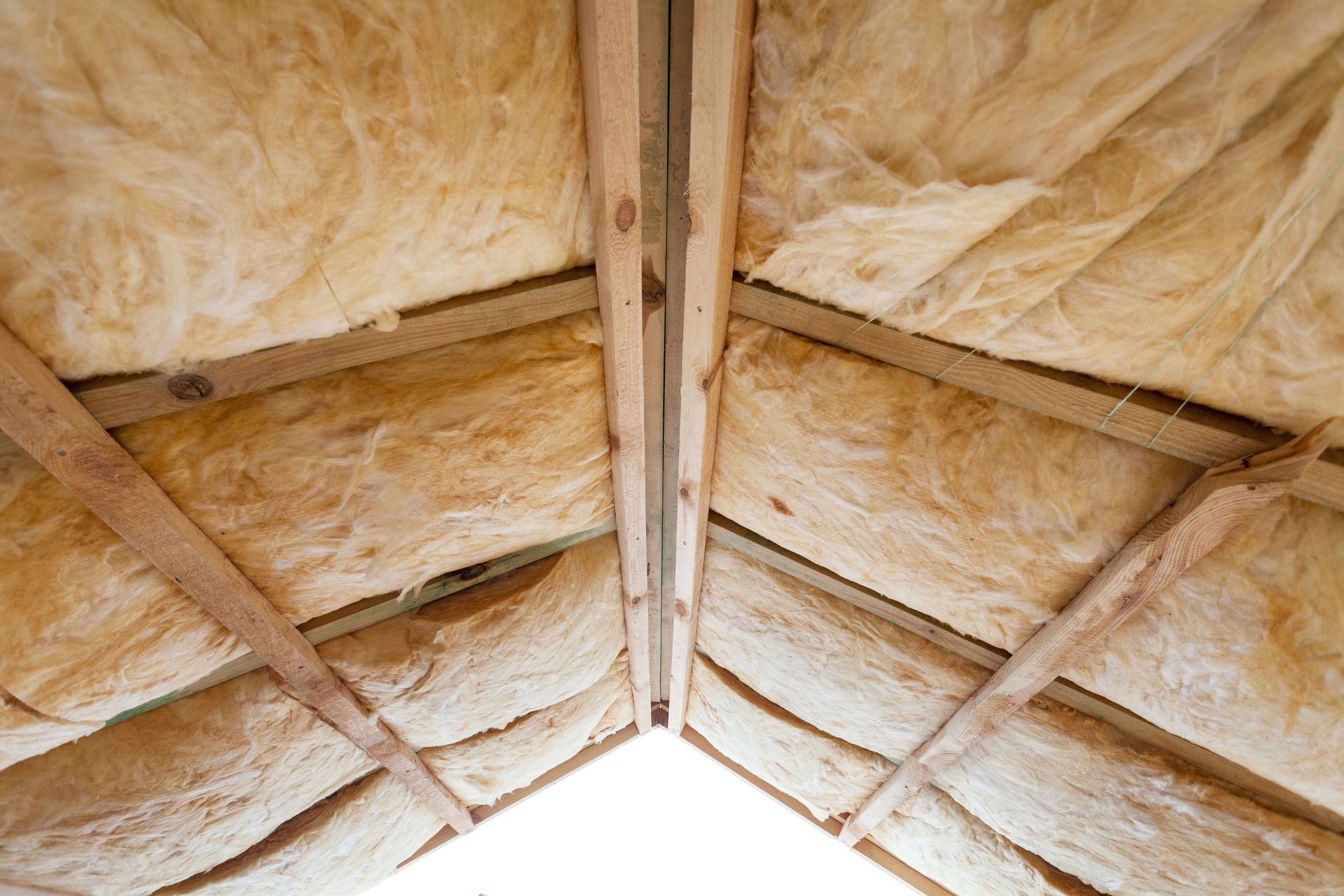
The age of existing insulation plays a significant role in how well it performs. Many homes still rely on insulation installed decades ago, using materials and standards that may no longer meet current efficiency expectations. Over time, even high-quality insulation can lose effectiveness.
According to the Department of Energy, the R-value, or thermal resistance, of insulation depends on three primary factors: what the insulation is made of, its thickness, and its density; the R-value is also influenced by age, moisture, and temperature. As insulation ages, exposure to humidity, temperature changes, and settling can reduce its ability to resist heat flow.
Moisture is particularly harmful to insulation since damp materials lose much of their R-value and can even promote mold growth. Because these moisture problems often develop behind walls or in attics, they can go unnoticed until heating or cooling performance noticeably drops. Identifying and addressing moisture intrusion early helps preserve both structural integrity and energy efficiency.
A qualified residential insulation contractor can test existing insulation for R-value and moisture content, giving homeowners a clear understanding of how their current system is performing. This data-driven evaluation ensures any replacements or upgrades align with the home’s insulation goals and local climate demands.
Watch for Moisture, Mold, or Air Quality Concerns
Insulation issues often go hand in hand with moisture problems. Poor insulation can allow condensation to form within walls and attics, creating an environment where mold and mildew thrive. These issues not only affect the structure of a home but also impact indoor air quality.
Musty odors, visible mold growth, or increased humidity indoors can all signal insulation concerns. When insulation fails to control temperature differences, warm air can meet cooler surfaces and produce condensation. Over time, this moisture can damage wood framing and other building materials.
Allergy flare-ups and respiratory discomfort also tend to rise in homes with poor insulation. Gaps and leaks can let in dust and outdoor pollutants while trapping moisture that fuels mold spores. A properly insulated and sealed home not only conserves energy but also supports cleaner, healthier indoor air.
Because these issues are often complex, professional guidance is essential. A residential insulation contractor can diagnose whether air leaks, poor sealing, or degraded materials are contributing to problems and recommend solutions that improve long-term air quality as well as efficiency.
Know When It’s Time to Schedule an Upgrade
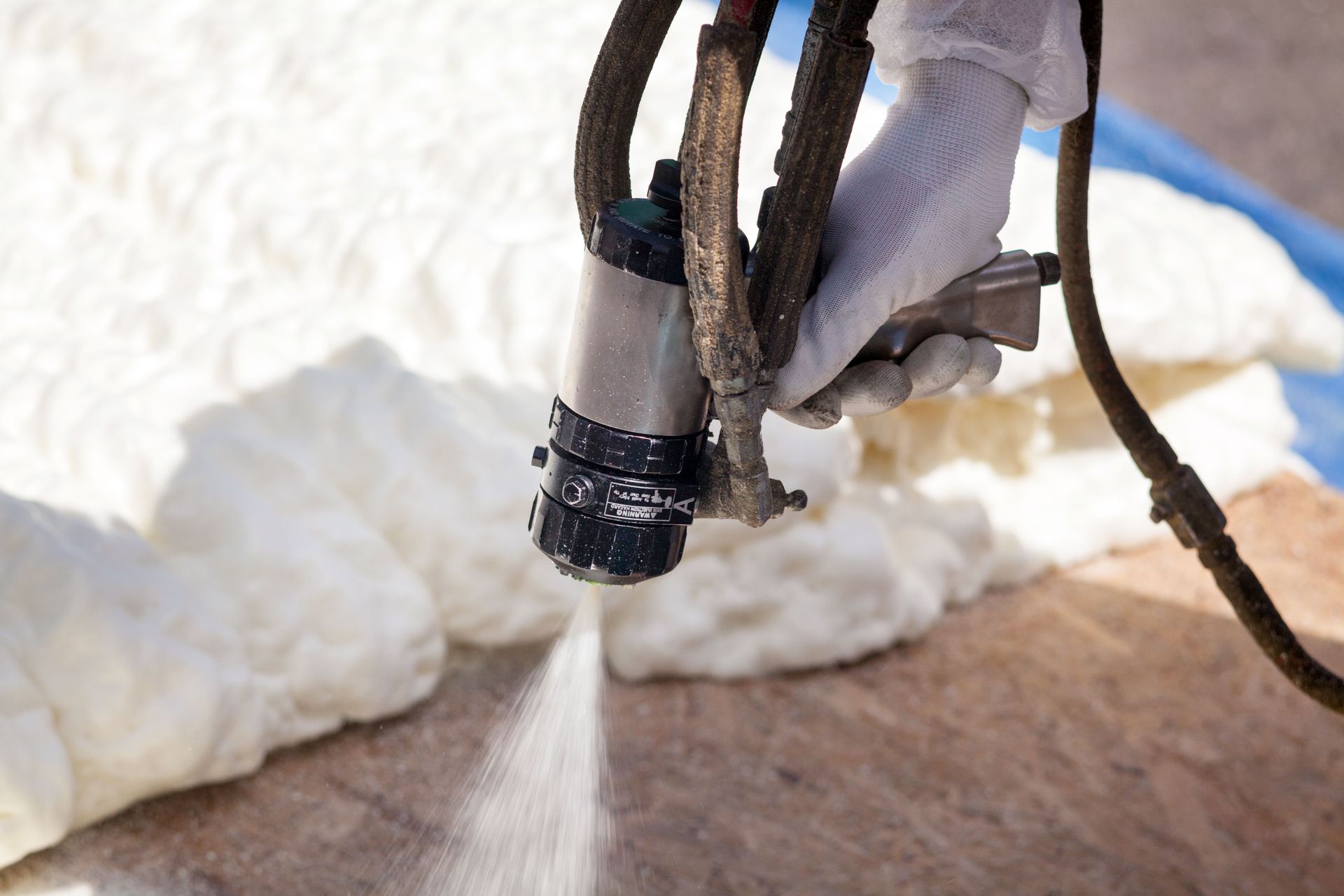
Deciding to upgrade insulation is not always about visible damage. Sometimes the decision is based on long-term goals like improving energy efficiency, increasing comfort, or preparing a home for renovation. Upgraded insulation can support these goals by enhancing overall building performance.
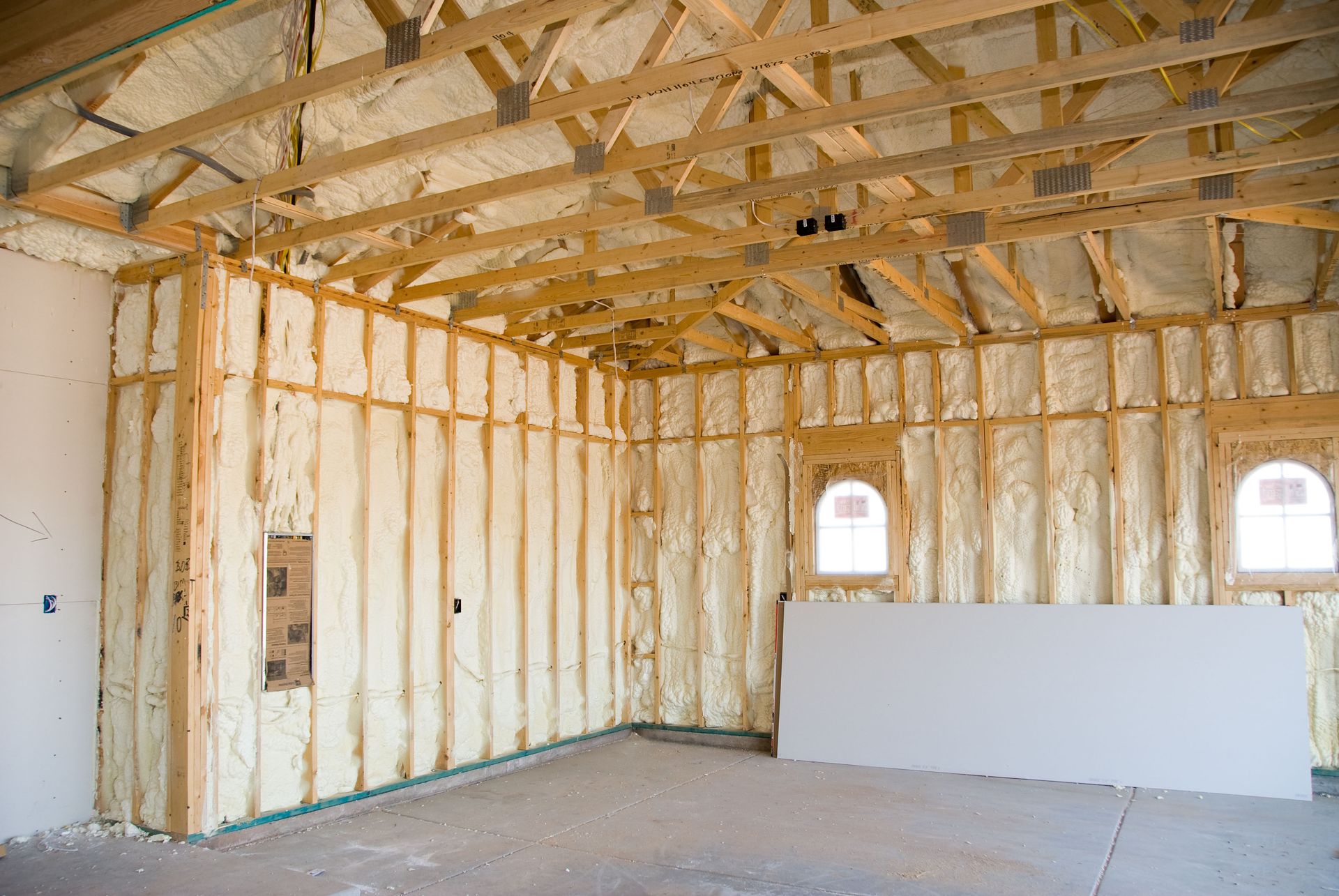
Homes undergoing remodeling or additions are ideal candidates for insulation upgrades. Opening walls or ceilings provides an opportunity to replace outdated materials and improve coverage. This proactive approach can prevent future issues and maximize the benefits of renovation work.
Climate considerations also play a role in timing an upgrade. Homes in regions with extreme temperatures often benefit from higher R-values and modern insulation systems. Updating insulation can help maintain stable indoor conditions year-round.
Working with a residential insulation contractor allows homeowners to weigh costs, benefits, and timing. Professional guidance ensures that upgrades are tailored to the home’s structure, climate, and efficiency goals.
Knowing when it's time to upgrade insulation requires attention to energy costs, comfort levels, and the condition of existing materials. Subtle changes like uneven temperatures or rising utility bills often provide early clues that insulation is no longer performing as it should. Addressing these signs promptly can prevent more serious issues down the line.
Partnering with a residential insulation contractor helps homeowners make informed decisions based on accurate assessments rather than guesswork. With the right evaluation and upgrades, insulation can once again support comfort, efficiency, and long-term home protection. Upgrading insulation is an investment in comfort, savings, and sustainability. When homeowners understand the warning signs and act decisively, they create an efficient home that’s easier to heat, cool, and maintain for many years to come.
At Rhode Island Insulation, we take pride in helping homeowners create more comfortable, energy-efficient spaces built to last. Contact our experienced team today to schedule an inspection and discover how better insulation can make a difference in your home.