By Mike Macari
August 3, 2026
Maintaining a comfortable living environment requires adequate barriers against external weather conditions. Houses rely on protective layers within walls and attics to keep conditioned air inside. Over time, these materials degrade or sustain damage from environmental factors. Homeowners might notice subtle shifts in their daily comfort without realizing the root cause. Identifying these shifts prevents energy loss and maintains structural integrity.
Proper thermal boundaries remain essential for maintaining structural efficiency and preventing unnecessary wear on mechanical systems. When houses lack adequate thermal protection, heating units work past their optimal capacity. Residents tend to overlook the indicators of deteriorating barriers until discomfort sets in. Recognizing these physical cues helps individuals address issues before damage occurs. Calling qualified insulation contractors can resolve underlying structural deficiencies and restore comfort.
1. Observing Fluctuations in Indoor Temperatures
Uneven heating and cooling across different rooms serve as a major indicator of thermal envelope failure. Residents might find living rooms warm while bedrooms remain drafty. This disparity suggests air escapes through compromised attic or wall cavities. According to the Insulation Institute, 89% of single-family homes in the United States are under-insulated. Such a vast majority indicates that uneven temperatures plague many properties.
Consistent indoor climates depend on continuous and durable thermal boundaries. Gaps in these boundaries allow outside air to penetrate living spaces and disrupt the internal environment. Heating systems push warm air into rooms, but poor resistance lets that heat vanish. The cycle creates perpetual hot and cold zones throughout a property. Homeowners must investigate these zones to determine the root cause of discomfort.
Finding the exact location of thermal loss requires systematic evaluation of the entire property structure. Individuals can walk from room to room to feel for climate shifts near exterior walls. Closed doors trap cold air, highlighting specific problem areas. Expanding foam might have deteriorated behind the drywall. Professional insulation contractors possess specialized equipment to detect invisible voids behind solid walls. Thermal imaging cameras help them pinpoint areas lacking adequate internal protection.
Restoring a uniform climate requires removing old materials and adding fresh, efficient barriers. Modern materials offer superior resistance to heat transfer compared to older alternatives. Installing new materials eliminates the drastic climate shifts between floors or adjacent rooms. Consistent temperatures create a pleasant environment for all occupants throughout the entire calendar year. The mechanical units experience less strain when the thermal envelope remains intact.
2. Noticing Increases in Monthly Energy Bills
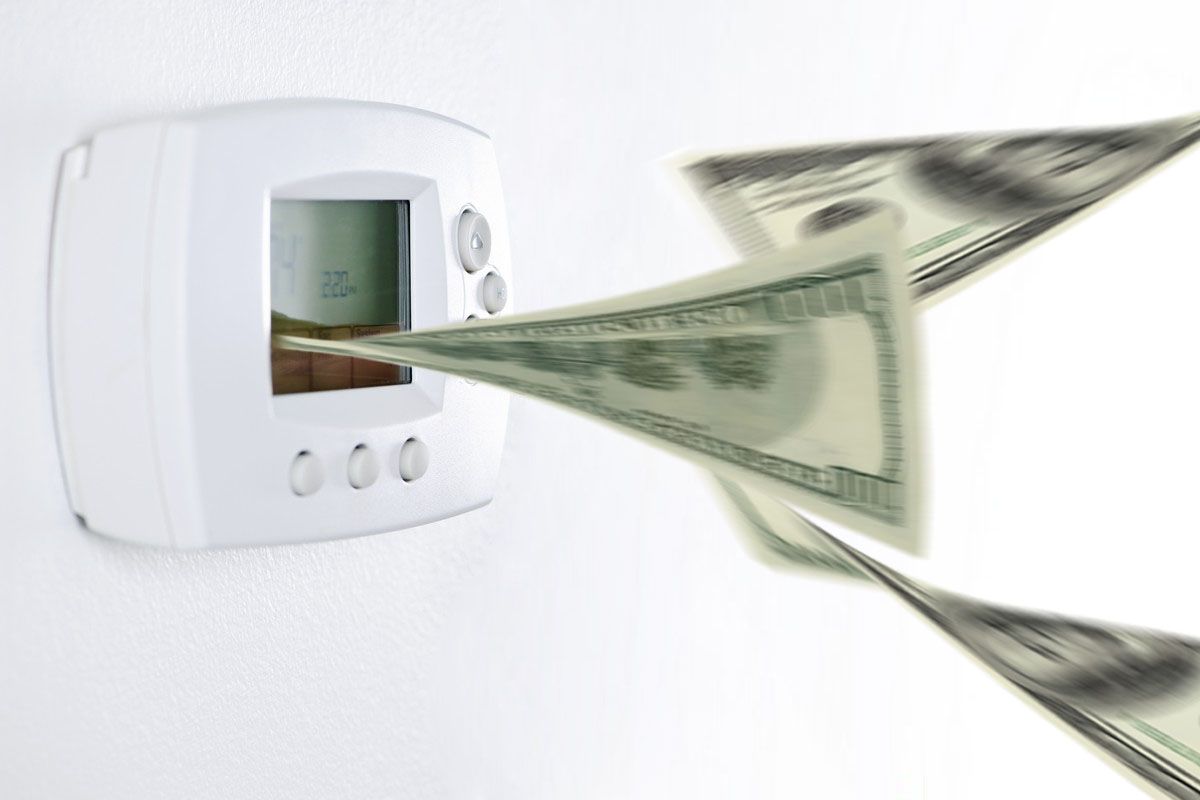
Rising utility costs point toward invisible structural inefficiencies within the home exterior. When thermal barriers fail, heating units operate continuously to maintain the set thermostat parameters. This continuous operation consumes massive amounts of electricity and natural gas. Homeowners face escalating bills despite keeping their usage habits identical. These financial spikes warrant an immediate investigation of the property exterior envelope.
Evaluating seasonal utility statements reveals patterns of excessive energy consumption over time. Winter months might show sudden spikes in heating fuel usage compared to previous years. Summer months display similar surges in electricity drawn by overworked cooling units. The property bleeds money through the roof and walls due to inadequate thermal resistance. Addressing the thermal envelope prevents financial drain and restores efficiency.
Energy audits help pinpoint the exact source of escaping heat and inflated bills. Specialists inspect attics, crawlspaces, and exterior walls for signs of material degradation. Blower door tests reveal the volume of conditioned air leaving the structure. These assessments guide homeowners in making informed upgrade decisions. Hiring seasoned insulation contractors ensures all necessary upgrades follow the comprehensive audit recommendations. Proper implementation of these recommendations seals the envelope and stops the invisible leaks.
Investing in structural upgrades yields long-term financial benefits that offset the initial expenditure. Proper barriers keep conditioned air inside, reducing the workload on mechanical heating and cooling systems. Lower operational times translate into reduced utility charges each month. The initial cost of upgrading materials pays for itself through sustained savings. Property owners gain financial relief and a more efficient household.
3. Experiencing Drafts in Certain Living Areas
Unwanted air movement indoors signals a breach in the home's exterior defense systems. Residents might feel cold breezes while sitting near closed windows or exterior doors in winter. These drafts occur when outside air forces its way through tiny gaps and inadequate wall cavities. The physical sensation of moving air indoors suggests significant thermal bypasses within the framing. Drafts turn comfortable rooms into unlivable spaces during extreme weather events.
Structural settling and material degradation create pathways for these unwanted drafts. Over decades, houses shift on their foundations, causing minor cracks around frames and structural joints. Old thermal barriers compress and lose their ability to fill the designated wall cavities. Wind pushes against the exterior siding and finds a way through these tiny, microscopic openings. Occupants feel the resulting chill during harsh weather.
Stopping drafts involves sealing gaps and upgrading the protective layers within the framework. Caulking and weatherstripping provide surface fixes for drafty exterior doors and windows. However, cold air still penetrates the actual walls if the internal batts have deteriorated. Addressing the core problem requires accessing the wall interiors. Bringing in knowledgeable insulation contractors ensures proper installation of dense-pack materials.
Eliminating drafts transforms a drafty house into a sealed, comfortable sanctuary. New thermal layers block wind penetration and keep the interior air stagnant and warm. Occupants no longer need thick blankets to sit in their own living rooms during winter. The property becomes an impenetrable fortress against harsh external climates. A sealed envelope represents the hallmark of a well-maintained and efficient residence.
4. Finding Pests in Attics and Basements
The presence of insects and rodents indicates compromised structural barriers within the property. Mice, bats, and squirrels seek warm places to nest during colder seasonal changes. Thin or damaged thermal layers provide easy access points for these unwelcome animal guests. Animals chew through old materials to create their nests. A sudden pest infestation serves as a glaring indicator of exterior vulnerabilities. Property owners must look beyond basic pest control to solve the underlying structural weakness.
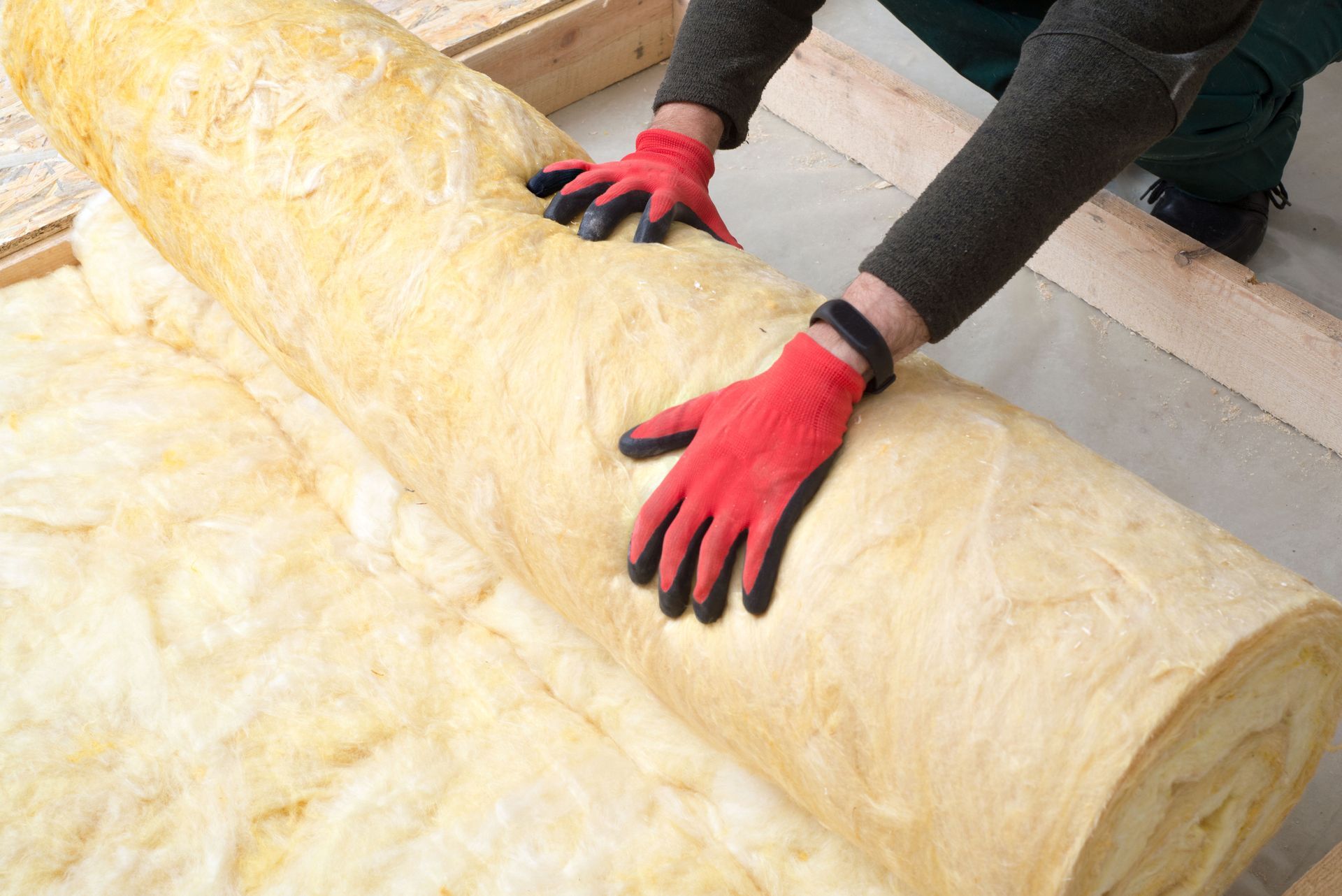
Pests cause extensive damage to the remaining internal framework once they enter the structure. Rodents leave droppings that contaminate the air quality throughout the entire property. They trample and compress existing fiberglass, destroying the remaining heat resistance of the material. The degradation accelerates as more animals find their way inside. Removing the pests solves a portion of the issue for owners.
Repairing the damage requires extensive cleanup and complete material replacement in the affected zones. Specialists must sanitize the contaminated areas to protect the health of all structural occupants. Damaged batts and loose-fill materials require removal and disposal at an appropriate waste facility. Relying on expert insulation contractors guarantees the new materials fill every void, leaving no room for future infestations.
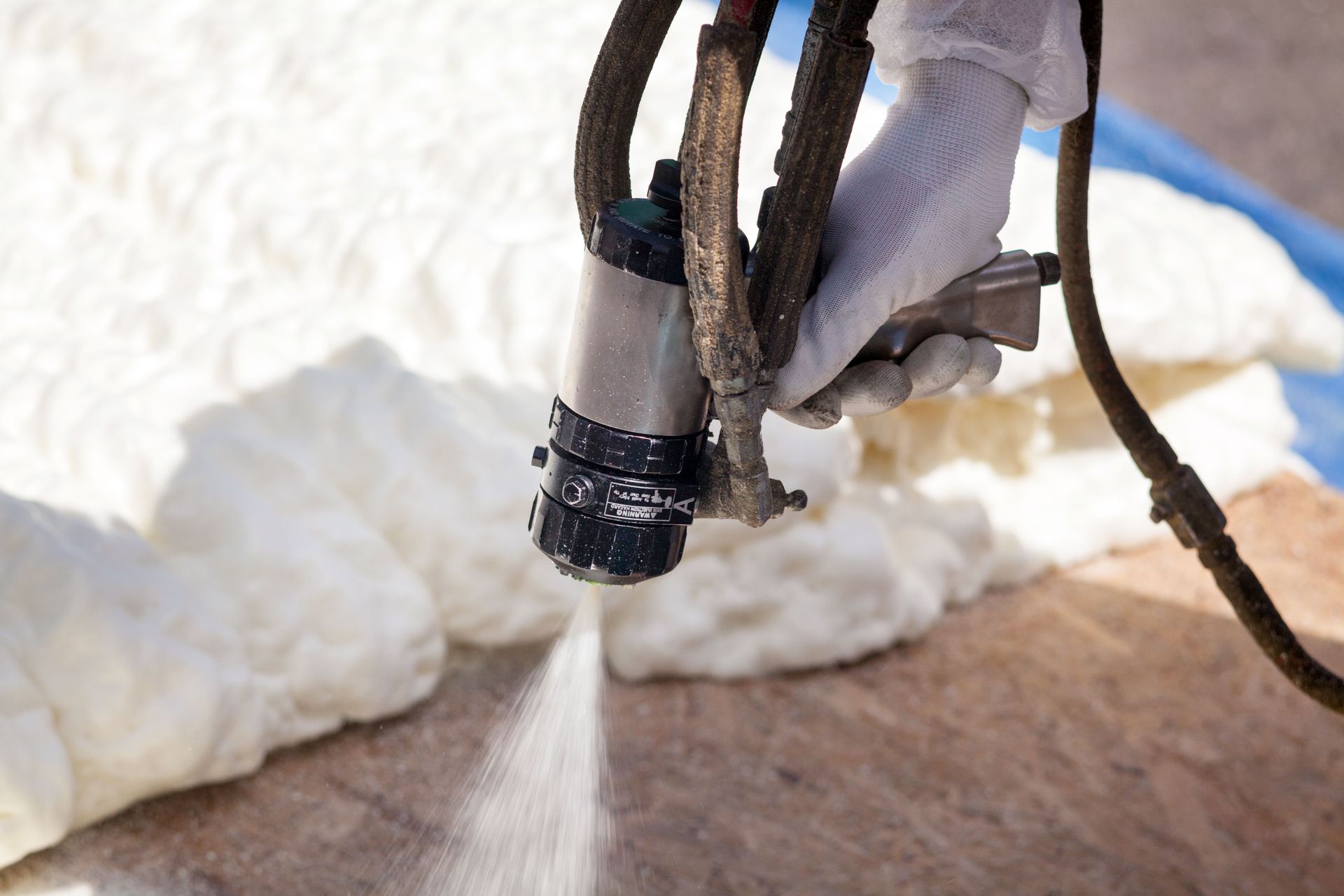
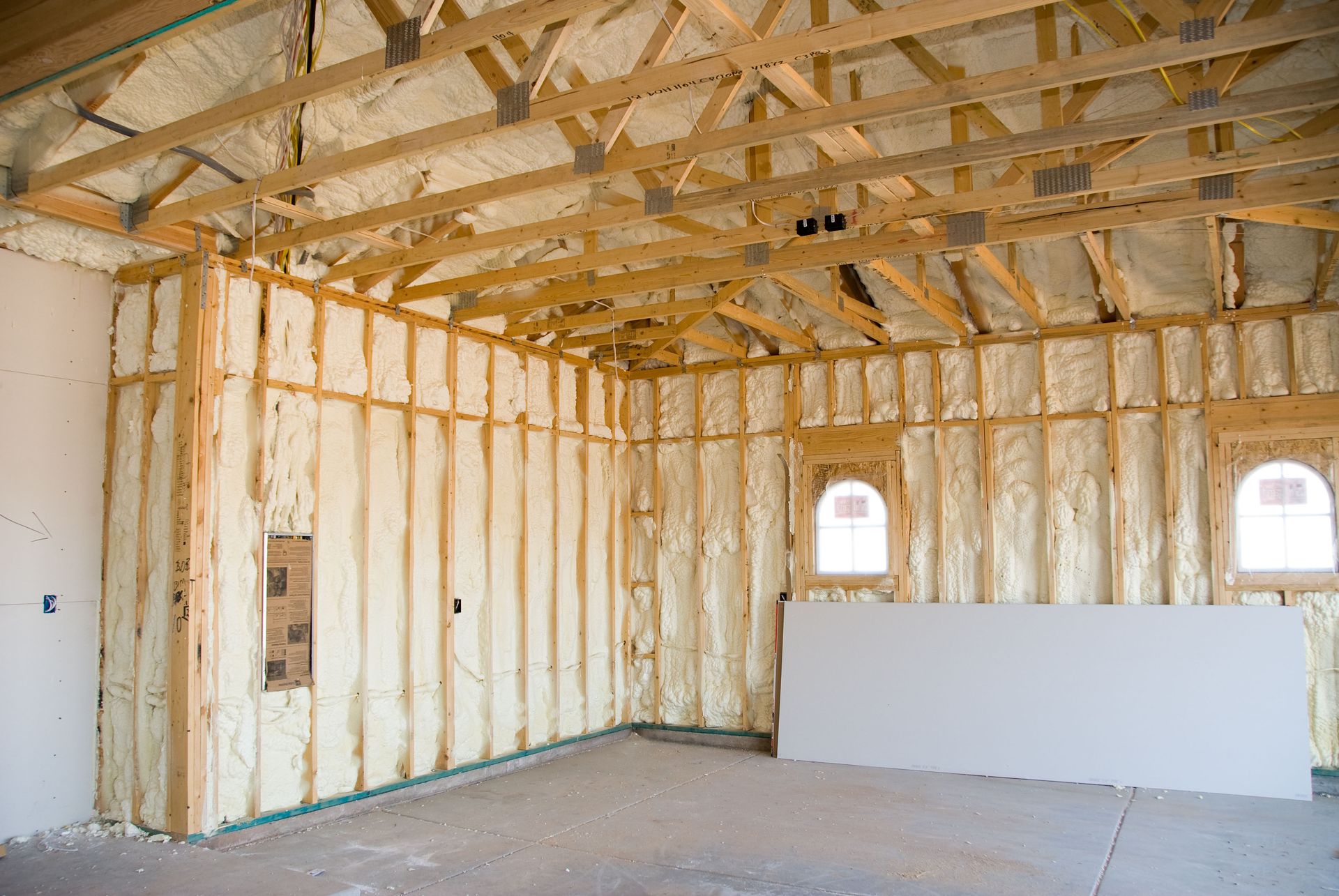
Modern thermal products include deterrents that discourage animals from nesting in the structural cavities. Spray foam creates a rigid barrier that rodents cannot chew through or dismantle. Upgrading to these advanced materials fortifies the home against harsh weather and persistent wildlife. Residents achieve peace of mind knowing their attics remain secure. A robust thermal envelope protects the structure on multiple fronts.
Upgrading the thermal barriers transforms an inefficient house into a modern, comfortable residence. Consistent climates return to every room, and utility bills stabilize at predictable levels. Drafts disappear, and pests remain outside in their natural habitats. Securing the services of reliable insulation contractors finalizes the necessary transition from drafty to efficient. A well-protected property provides enduring comfort and security for its inhabitants. At Rhode Island Insulation, we understand how frustrating high energy bills and constant drafts can be, which is why we are ready to help restore your home's efficiency. Reach out to our experienced insulation contractors today to schedule a thorough evaluation and stop your energy loss for good.