By Mike Macari
April 10, 2026
Proper insulation is a key factor in creating a comfortable, energy-efficient home, yet many homeowners only realize its importance when problems arise. An insulation contractor can evaluate your home, identify areas of inefficiency, and recommend upgrades to improve comfort while reducing energy costs. These professionals understand how to assess not only insulation type and placement but also hidden issues such as air leaks, moisture intrusion, and gaps that may compromise overall performance.
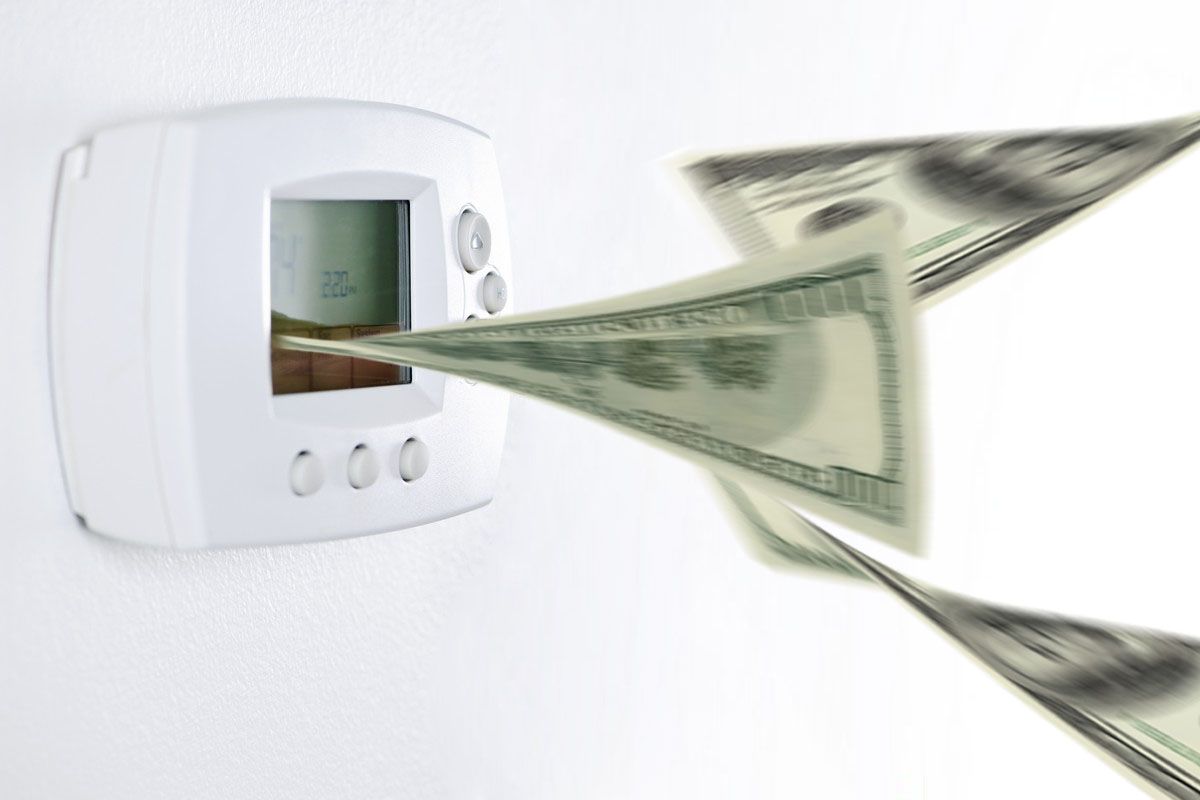
According to the EPA, homeowners can save approximately 15% on heating and cooling costs by sealing leaks and adding or upgrading insulation. This highlights the tangible financial benefits of professional evaluation. Addressing insulation issues proactively ensures a safer, more energy-efficient, and comfortable living environment. Working with a contractor also helps homeowners understand the long-term value of quality insulation materials and correct installation practices, which can prevent recurring problems and unnecessary expenses.
Detecting Inadequate Insulation Coverage
A common problem an insulation contractor encounters is inadequate coverage in key areas of the home. Attics, basements, crawl spaces, and even exterior walls are often under-insulated, resulting in uneven temperatures and higher energy bills. Professionals use specialized tools to measure insulation depth, density, and thermal performance to ensure all areas meet recommended standards.
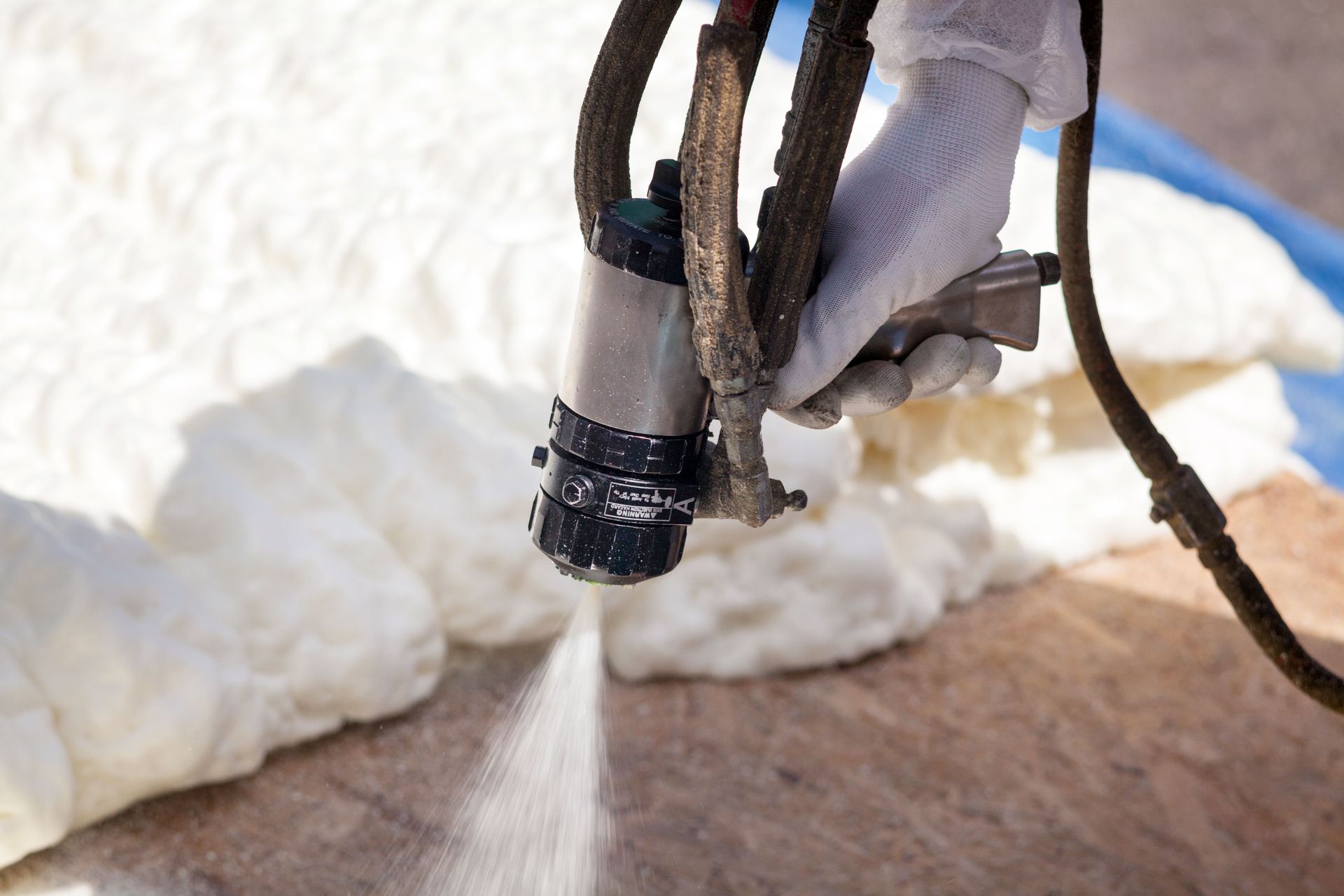
Insufficient coverage can make rooms feel drafty or uncomfortable and increase strain on HVAC systems. Correcting these deficiencies ensures consistent comfort throughout the home. Additionally, homeowners benefit from lower energy costs, reduced wear on HVAC systems, and a more stable indoor environment that supports year-round livability. Insulation contractors often recommend adding blown-in or spray foam insulation in difficult-to-reach areas, which is far more effective than patching gaps with makeshift solutions.
Identifying Air Leaks and Drafts
Air leaks are another significant concern that can reduce insulation efficiency. Gaps around windows, doors, vents, and electrical outlets allow conditioned air to escape, wasting energy and affecting comfort. An insulation contractor can locate and seal these leaks, often using specialized tools like infrared cameras and smoke tests to detect hidden draft points.
Sealing air leaks also protects the home from moisture intrusion, which can damage structural components. Proper leak detection ensures insulation works as intended, maintaining energy efficiency and preventing long-term problems that could arise from ignored drafts. In older homes, air leaks often account for significant heat loss, and professional sealing can make a noticeable difference in utility bills and indoor comfort.
Addressing Moisture and Mold Concerns
Moisture infiltration can compromise insulation performance and indoor air quality. Damp insulation loses effectiveness and may become a breeding ground for mold or mildew, creating both health and structural risks. An insulation contractor can identify areas affected by moisture, determine the underlying cause, and recommend solutions such as vapor barriers, improved ventilation, or replacement insulation.
Properly addressing moisture ensures insulation remains durable and effective. Homes with controlled moisture levels are healthier for occupants and maintain better long-term structural integrity. Professionals ensure insulation is repaired or replaced in a way that prevents future problems and maintains energy efficiency. This is particularly important in basements, attics, and crawl spaces, which are prone to condensation and water leaks. Taking proactive measures also helps prevent costly repairs and extends the lifespan of the insulation and surrounding building materials.
Evaluating Insulation Type and Suitability
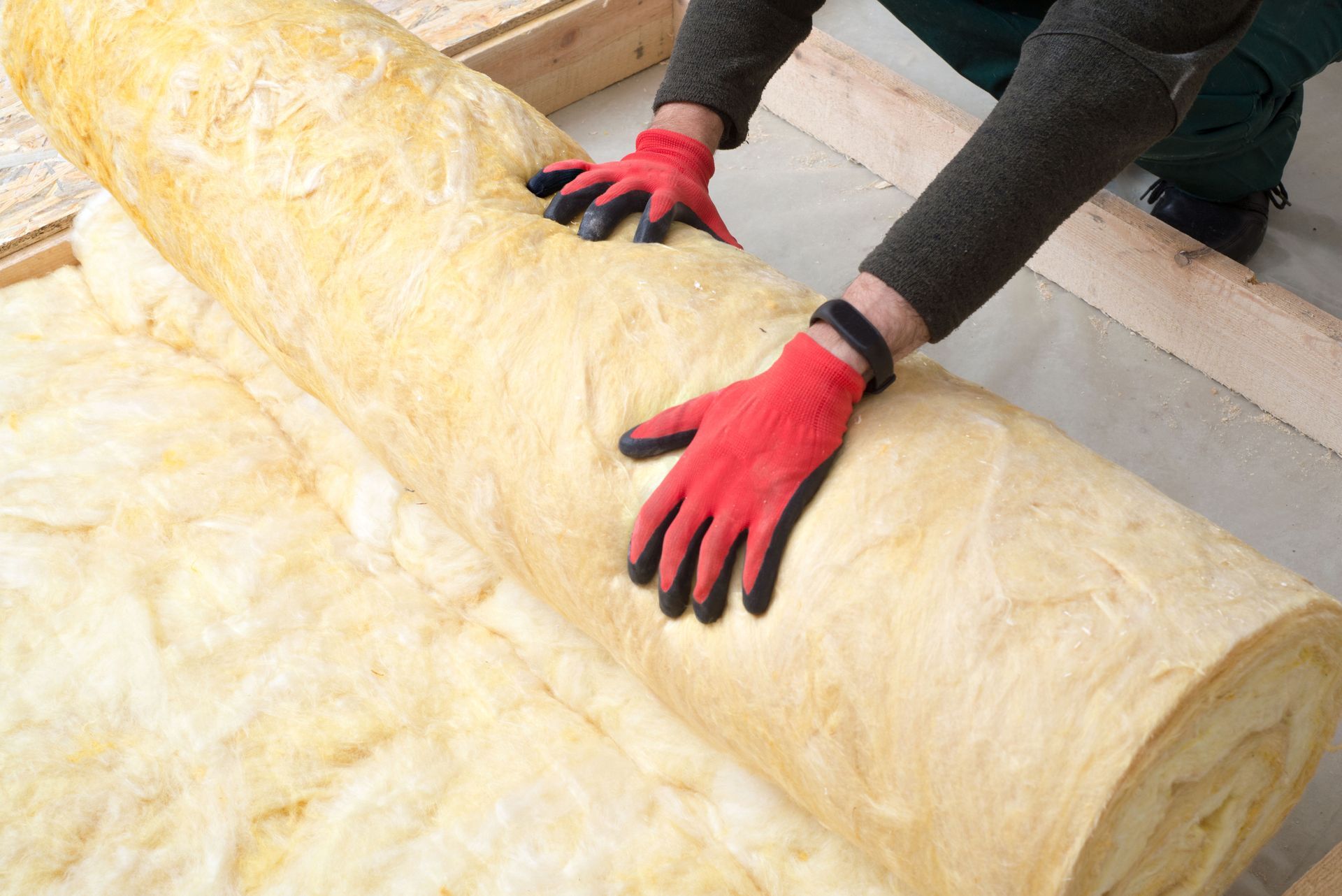
Different areas of a home require different types of insulation to achieve optimal results. An insulation contractor evaluates whether the existing materials are appropriate and recommends alternatives when necessary. Common options include fiberglass batts, spray foam, cellulose, and rigid foam panels, each offering specific advantages depending on the application.
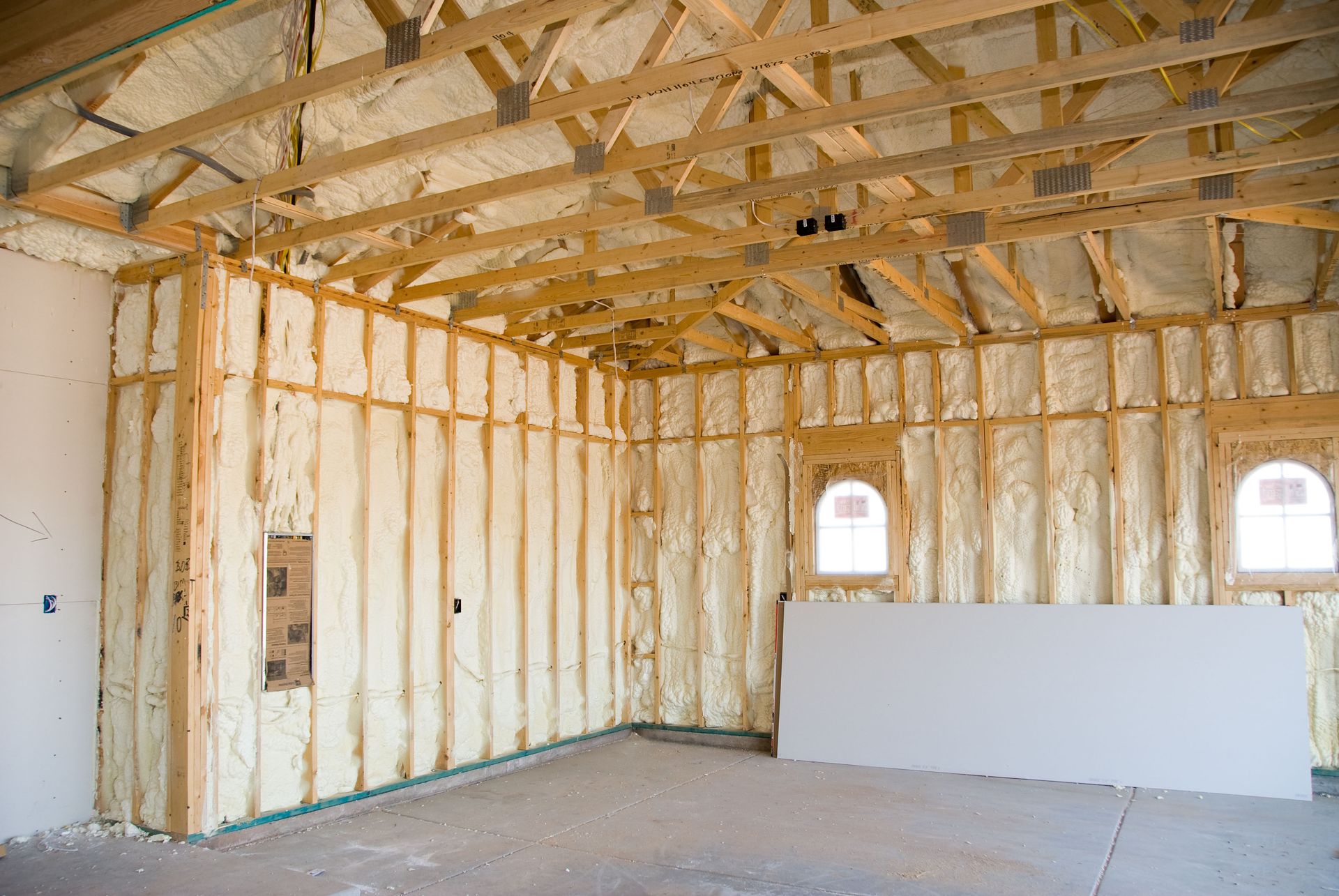
Choosing the correct type improves energy efficiency, temperature control, and soundproofing. Professionals ensure materials are applied correctly, avoiding gaps, compression, or other installation errors that reduce effectiveness. Proper selection and installation maximize comfort and long-term savings. For example, spray foam may be recommended for irregularly shaped walls, while cellulose is ideal for filling attic spaces, demonstrating how contractors tailor solutions for each home.
Improving Indoor Comfort and Temperature Consistency
Homes with poorly insulated walls, floors, or ceilings often have uneven temperatures, making some rooms uncomfortably hot or cold. An insulation contractor identifies problem areas and implements targeted solutions to restore consistent indoor conditions. Optimized insulation and air sealing result in stable temperatures throughout the home, reducing strain on HVAC systems. This improves energy efficiency and creates a more enjoyable living space year-round. Families also benefit from quieter rooms and better overall climate control. In multi-level homes, insulation upgrades can eliminate the frustration of warm upstairs rooms and cold downstairs areas, creating balance throughout the interior.
Enhancing Energy Efficiency and Cost Savings
Energy loss from improper insulation and air leaks is a major contributor to high utility bills. An insulation contractor can pinpoint these inefficiencies and recommend upgrades to reduce energy consumption. Homes that receive professional insulation upgrades benefit from lower energy costs, improved environmental performance, and increased resale value. Contractors ensure that improvements are installed correctly, providing lasting benefits and measurable energy savings. Over time, these upgrades can offset initial installation costs and contribute to significant financial savings, making professional services a worthwhile investment.
Detecting Pest and Animal Damage
Insulation can be damaged by rodents or insects. Chewed or displaced material loses effectiveness and may provide access points for further infestations. An insulation contractor inspects for signs of pest damage and provides repair or replacement solutions. Addressing these problems restores insulation performance while protecting the home from future issues. Preventive measures, including pest-resistant materials or sealing entry points, are part of a professional strategy that ensures long-term durability and efficiency. Regular inspections also allow homeowners to detect early infestations before they cause major damage.
Supporting Home Value and Longevity
Well-insulated homes are more attractive to buyers and often have higher energy performance ratings. An insulation contractor can help homeowners implement strategic improvements that enhance comfort, efficiency, and overall property value. Properly installed insulation protects against temperature extremes, moisture damage, and energy waste. Homeowners benefit from extended HVAC system life, preserved structural integrity, and increased comfort. These improvements also improve resale appeal, as energy-efficient homes are increasingly sought after in the market. Insulation upgrades are often considered a smart investment for both short-term comfort and long-term property value, providing measurable energy savings and contributing to a healthier, more sustainable living environment.
Identifying Attic and Basement Challenges
Attics and basements are particularly prone to insulation problems due to temperature fluctuations and potential moisture accumulation. An
insulation contractor can evaluate these spaces for insufficient or degraded insulation, air leaks, and pest damage. Addressing these areas ensures that heat loss or gain is minimized, improving energy efficiency throughout the home. By professionally insulating attics and basements, homeowners create a more consistent temperature environment, reduce energy costs, and prevent structural issues. These often-overlooked areas can have the biggest impact on utility bills if left unaddressed.
At Rhode Island Insulation, we specialize in evaluating, upgrading, and maintaining insulation to maximize comfort, energy efficiency, and home value. Our experienced insulation contractors provide tailored solutions that address air leaks, moisture issues, and material performance to ensure long-lasting results. Whether you are building a new home or upgrading an existing property, our team delivers professional guidance, precise installation, and reliable support. Contact Rhode Island Insulation today to discover how our insulation contractors can identify problems, recommend strategic solutions, and implement improvements that enhance energy efficiency, comfort, and the overall performance and durability of your home.